Home / Gate Opener Duty Cycle and Gate Weight
Gate Opener Duty Cycle and Gate Weight
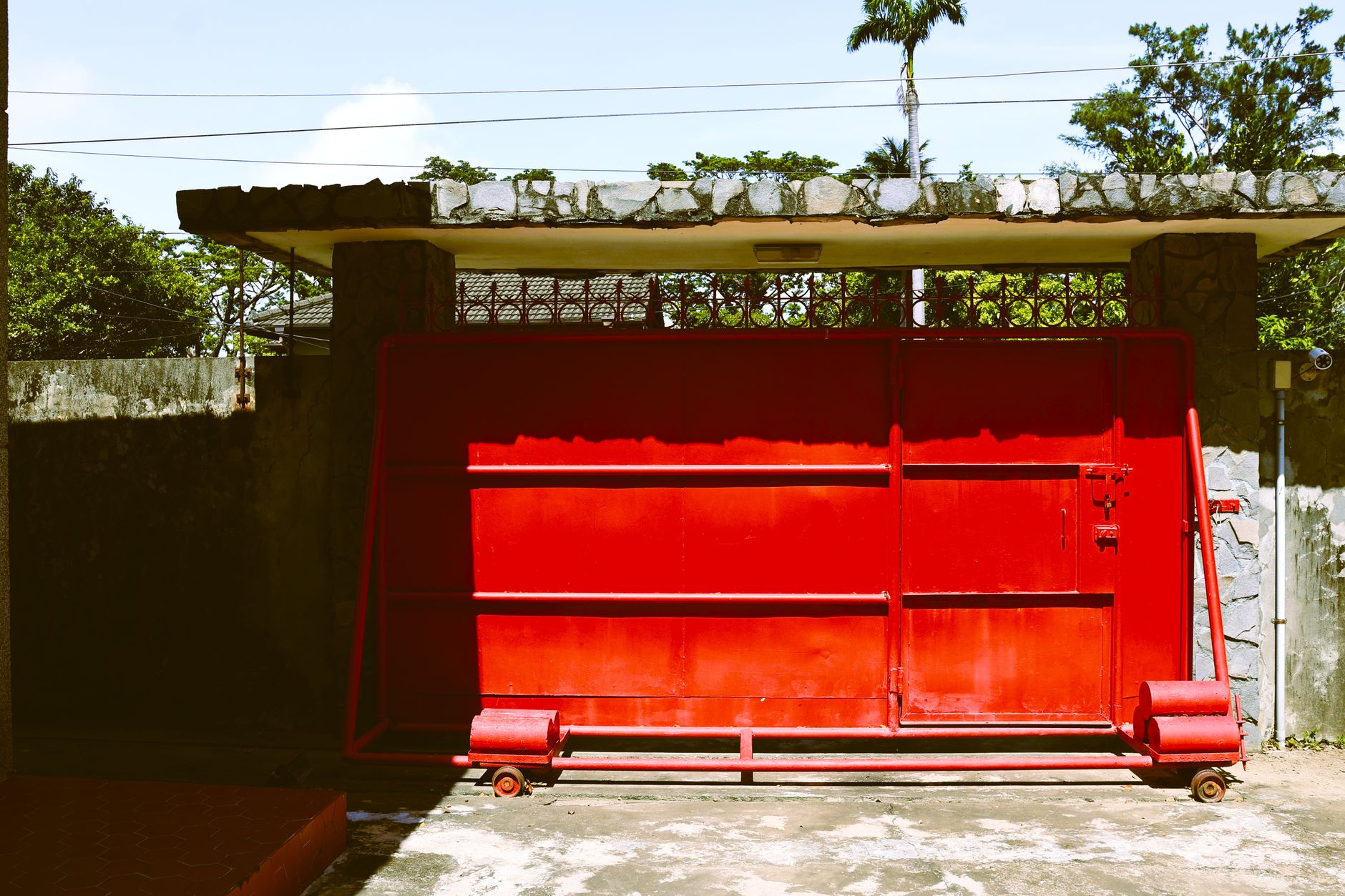
Two numbers that decide whether an opener survives
Gate operators carry ratings on their labels, and two of them matter more than the brand: the maximum gate weight and the duty cycle. Weight tells you whether the motor can move the leaf at all. Duty cycle tells you how often it can do so without overheating. Ignoring either leads to the same outcome, a motor that runs hot, trips its protection and fails years sooner than it should.
Weighing the gate honestly
Many gates are heavier than they look. Steel tube, solid panels, infill pickets, decorative castings and added cladding all add pounds. A leaf that appears light on a drawing may weigh several hundred pounds once the frame, hardware and finish are included. The maker of the gate, or a bathroom scale and some arithmetic using material weights per foot, can provide a fair estimate.
Include everything that will ever be attached. A homeowner who later adds wood slats, a solid backing for privacy or a heavy sign changes the load. Choose an operator with margin for these changes, so a modest addition does not push the system over its limit.
For sliding gates, weight matters in combination with friction. A heavy leaf on healthy wheels rolls easily, so a modest operator can move it. The same leaf on a dirty track presents far more resistance. For swing gates, the length of the leaf adds a lever effect: a long leaf is harder to start moving than a short one of the same weight.
Wind and the hidden load
Solid panels catch wind. A gentle breeze produces little force, but a strong gust against a large solid leaf can overload an operator and stall it. Manufacturers often publish limits for leaf area as well as weight. Open picket designs reduce the problem. If the gate must be solid, pick an operator rated for the area and consider wind sensors that slow or hold the gate in strong gusts.
What duty cycle means
Duty cycle is the proportion of time that an operator can run in a given period without overheating. It is often stated as a figure like fifty or one hundred, meaning half of the time or all of the time in continuous operation. A related rating counts cycles per day or per hour, where a cycle is one full open and one full close.
A residential gate may cycle a few dozen times a day at most, which sits well inside the rating of a typical consumer operator. A shared entrance for a group of homes might see hundreds of cycles, and a business entrance can see more. The heavier the use, the more important a high duty rating becomes.
The reason is heat. Motor windings warm with current. The longer the motor works, the hotter they get. Without rest, insulation breaks down, bearings dry out and electronics suffer. A motor with a high duty rating has better cooling, bigger windings and sometimes a thermal sensor that stops it safely.
How weight and duty combine
A heavy gate used rarely may be fine with a modest operator. A light gate used constantly may need a rugged one. The worst case, a heavy gate cycled often, calls for a heavy duty unit with a generous margin. Think of the operator rating as a budget: weight spends part of it each cycle, and frequency spends the rest.
A practical approach is to select an operator rated for at least a fair margin above the real leaf weight, and with a duty rating above the expected cycles. Operating near the limit is possible but shortens life.
Signs the operator is overworked
- The housing is hot to the touch after a short series of cycles.
- The gate slows down or stops partway on hot days and works again after cooling.
- Fuses or breakers trip without an obvious fault.
- The motor draws more current than its nameplate indicates.
- Gears, arms or chains wear faster than expected.
- Remote commands are ignored for a few minutes, with the board in a thermal hold.
If these appear, the cure is usually one of three things: reduce the load by lightening the gate or cleaning the path, reduce the use by adding a second entrance or a timer, or replace the operator with a larger one.
Reducing the burden on the motor
Several habits lighten the load. Keep hinges, rollers and tracks lubricated and clean so the gate moves freely. Make sure the gate is balanced and level, so the motor is not fighting gravity. Adjust the travel speed to a moderate pace; fast motion demands more power. Avoid unnecessary cycles, such as setting the auto-close timer so short that the gate opens and closes repeatedly for pedestrians.
Consider a pedestrian entry beside the vehicle gate. Walking visitors then do not trigger the heavy gate, reducing cycles and wear. It also improves safety.
Reading the label
When comparing operators, look for these items on the data sheet: maximum leaf weight, maximum leaf length, operating voltage, rated duty cycle, maximum cycles per day, speed range and temperature range. Compare them with your own figures for the gate, power supply and use. A glossy brochure may highlight features, but the data sheet shows what the machine can sustain.
Ask the installer to explain why a particular model was chosen. A good answer refers to your weight, your length, your traffic and your power. A poor one refers only to price or familiarity. The right choice is the one that fits your gate, not the one on the van.
Planning for change
Households change. A family adds drivers, a home business starts, deliveries increase. A gate that cycled ten times a day may soon cycle forty. Choosing an operator with headroom makes that growth painless. The extra cost at purchase is small compared with replacing a worn unit and rewiring.
A worked example in words
Picture a steel swing leaf eleven feet long and quite heavy. A homeowner thinks it moves twenty times a day. In practice, family members, deliveries, a gardener and guests lift the count well beyond that, and the auto-close timer reopens the gate whenever a sensor is tripped. By the end of a week the true daily count may be double the estimate. If the operator was chosen to match the first guess, it now lives close to its limit.
The cure is to count honestly before buying. Keep a tally for a typical week, include weekends and holidays, and use the busiest day as the planning figure. Then pick an operator whose rating comfortably exceeds it. A little extra capacity costs far less than replacing a motor that cooked itself.
It also helps to record the date of installation and the settings chosen, so a technician can later tell whether performance has drifted. Notes like these turn a mystery into a quick adjustment.